Above: Haideh and Nejad Ahmadzadeh with Queen Farah
About Nejad and Haideh Ahmadzadeh
"There would never have been the Iranian National Ballet without the tireless efforts of the Ahmadzadehs. They are an Iranian treasure." John (Jay) Seaman - Iranian National Ballet (1977 - 1979)
The husband and wife team of Nejad and Haideh Ahmadzadeh (stage name 'Aida Ahmadzadeh'), have had a profound impact on 20th Century Persian culture. Their influence spanned four decades, leading to both the appreciation and promotion of Western classical ballet in Iran, as well as ensuring that traditional Iranian folk dancing was recognised as a significant art form in its own right. Under Nejad's direction, the Iranian National Ballet became respected worldwide, sending the couple around the globe, Haideh and the Company performing for royalty, including Queen Elizabeth II, President Nixon, Charles de Gaulle, politicians, celebrities and the public alike. As leaders in the development of the arts in Iran, their impact encouraged further artistic and cultural endeavours, including opera and film, with the likes of the Tehran Film Festival seeing Nejad and Haideh mixing with stars including Elizabeth Taylor, Gary Cooper and Yul Brynner. However, their lives changed dramatically as Iran's 1979 Islamic Revolution banned such activity, forcing the Ahmadzadeh family to leave, settling in the UK. Their legacy remains, the Iranian diaspora and the world of ballet influenced by their impact on Persian culture to this day.
Early life
|
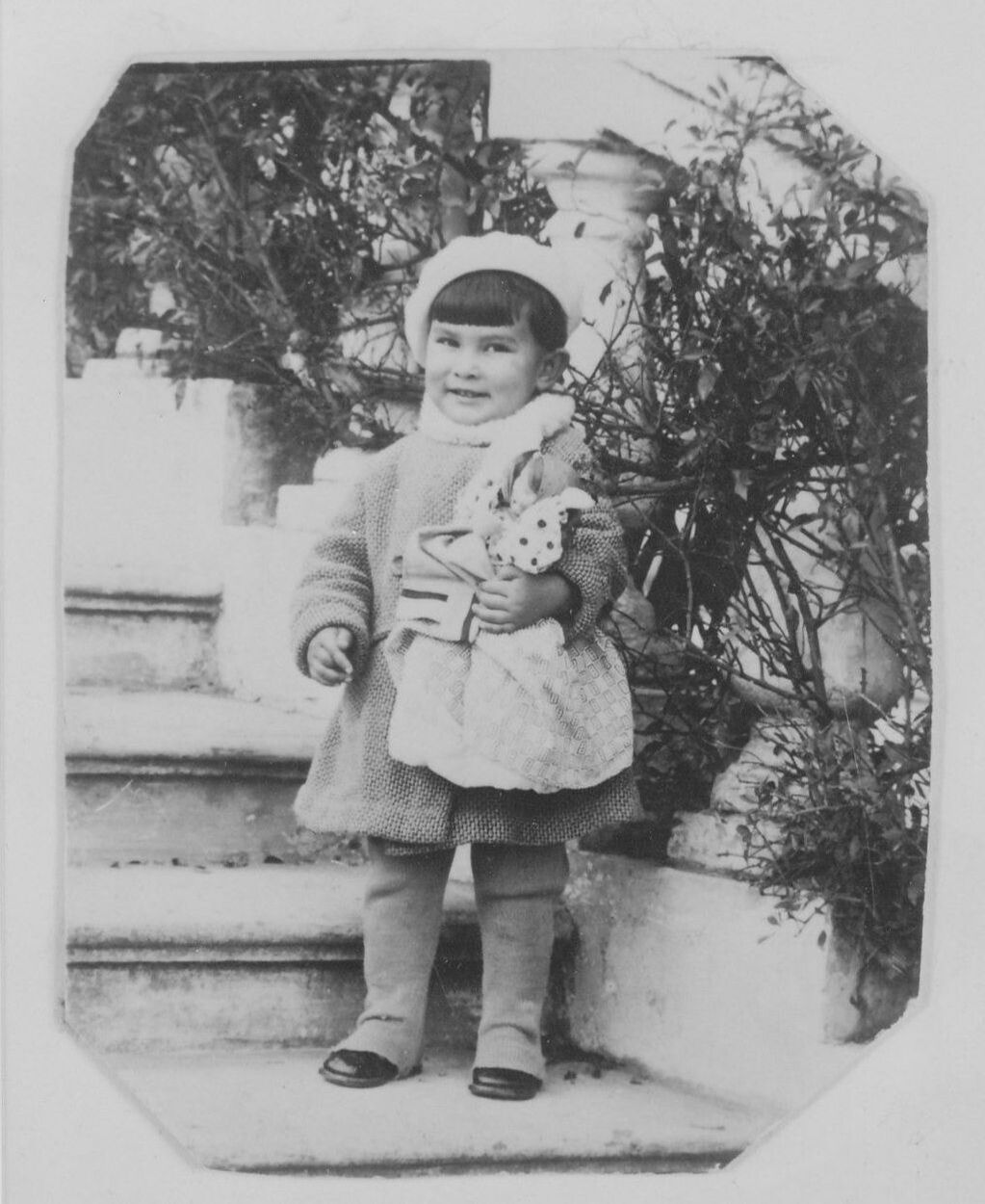
Haideh Akhoundzadeh was born in Tehran in June 1930 to parents who had fled the Russian revolution in 1917 and subsequently met in Iran. Her father, an Iranian Azerbaijani, came from Baku whilst her Tartar mother came from Orenburg. She has a younger sister, Soraya.
Russian was spoken in the family home which gave Haideh an early ear for languages. Aged 5, she contracted malaria and, worried that her daughter may have been weakened by the illness, her mother enrolled Haideh in dance lessons at the age of 7 with a teacher called Madame Cornelli (see Iranian National ballet - origins). Whilst these classes did not provide methodical ballet training, they did introduce Haideh to exercises for making the body supple, as well as cultivating a sense of rhythm and musicality. The latter part of the classes concentrated on learning character and folk dances of different nationalities. These proved to be greatly inspiring and set young Haideh on a path which would make dance her lifelong career. |
|
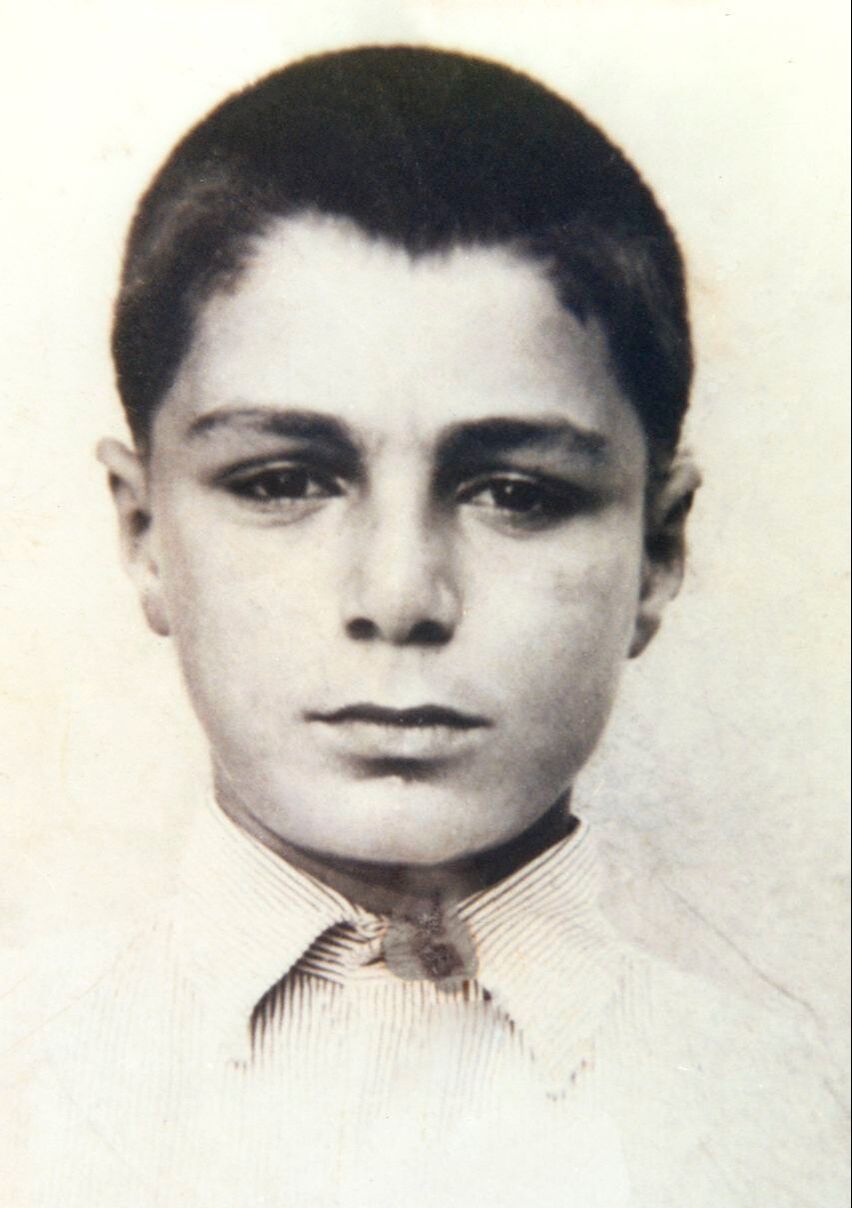
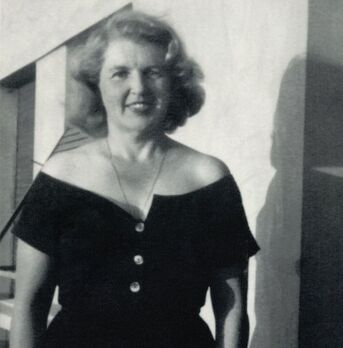
Nejad Ahmadzadeh was born in 1925 in Trabzon, Turkey. Passionate about Iran from an early age, partly because of his Iranian grandparents, Nejad learnt to speak Farsi, something which helped the family's move to Tehran after the death of his father when Nejad was aged 15, and to avoid Turkish national conscription so that he could look after his mother and siblings. He started work in Tehran Bazar's carpet shops, sweeping and cleaning and learning the craft of carpet weaving but, in 1946, he saw a newspaper advertisement from an American woman asking for young people to perform in a group. Nejad and some friends went along, only to find out that it was a dance group. Nejad and his friends started to practice and exercise, with Nejad often playing the tabla to keep the rhythm. The American woman was Nilla Cram Cook, the US cultural attaché at the American Embassy in Tehran and it was her intention to develop a Studio of the Revival of the Iranian Ancient Arts. Seeing Nejad's passion and potential, she took the young man under her wing, leading to a position as her financial assistant. As the dance group became more popular, a new member joined, Haideh Akhoundzadeh. Mrs Cook choreographed some folk dances which led Haideh and Nejad on a visit to Istanbul for their first performance, one which was an immediate success. 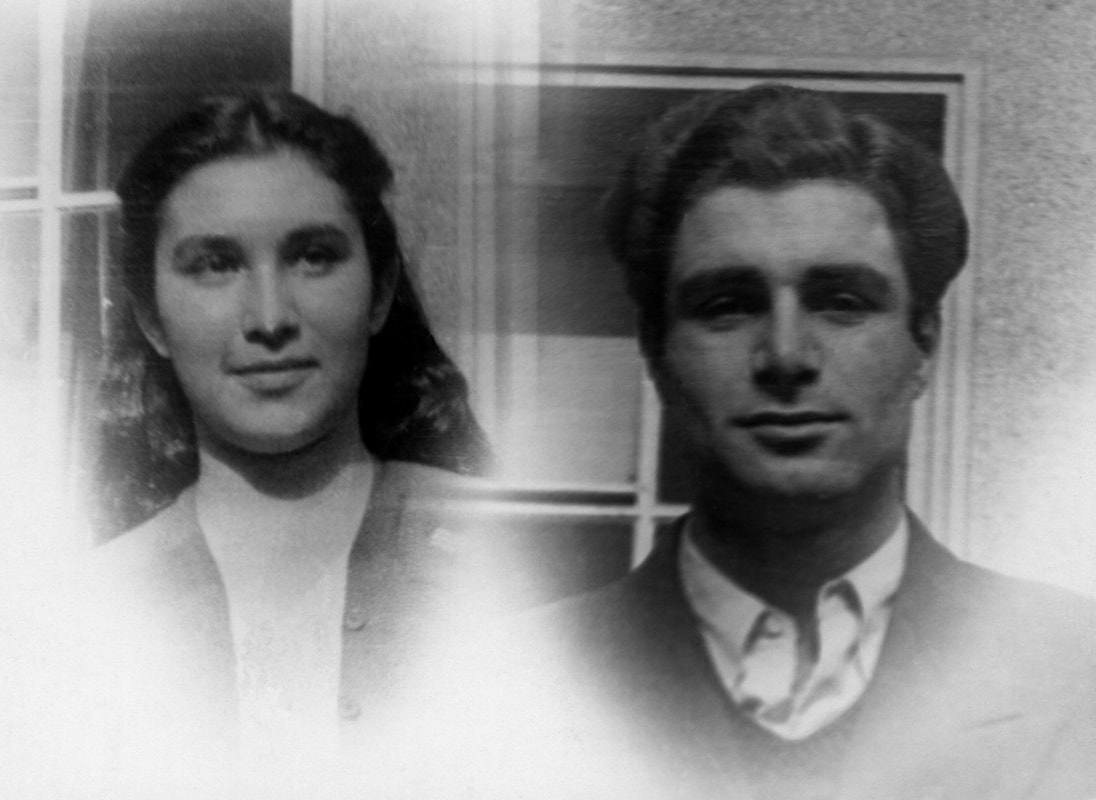
|
|
Photos: Haideh and Nejad / Mrs. Nilla Cram Cook
Family and Personal Life
|
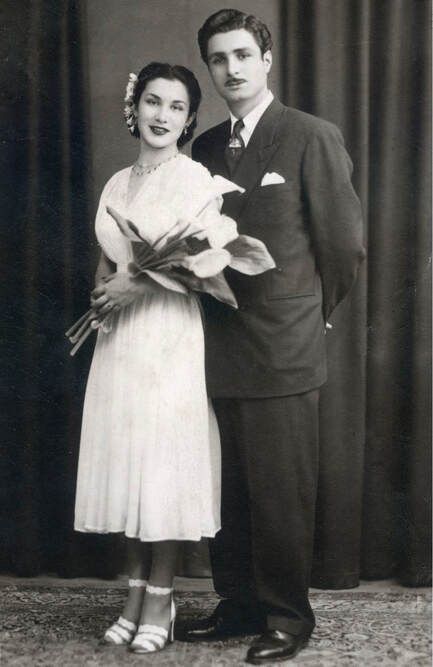
Haideh and Nejad married in a civil ceremony in Tehran in April 1951. They had two sons, Nader (b.1955) and Hormoz (b.1960).
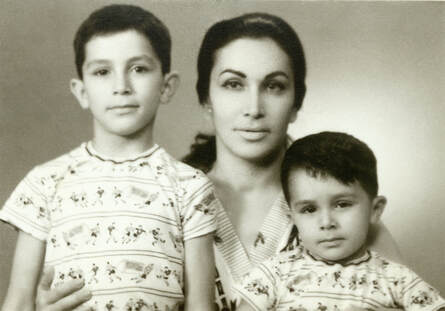
Following the Islamic Revolution in 1979, the family re-located to Manchester, England, where Nader and Hormoz were already studying. Three grandchildren, Jordan, Alex and Hannah, and three great grand children, Leo, Sophia and Max, have since joined the family.
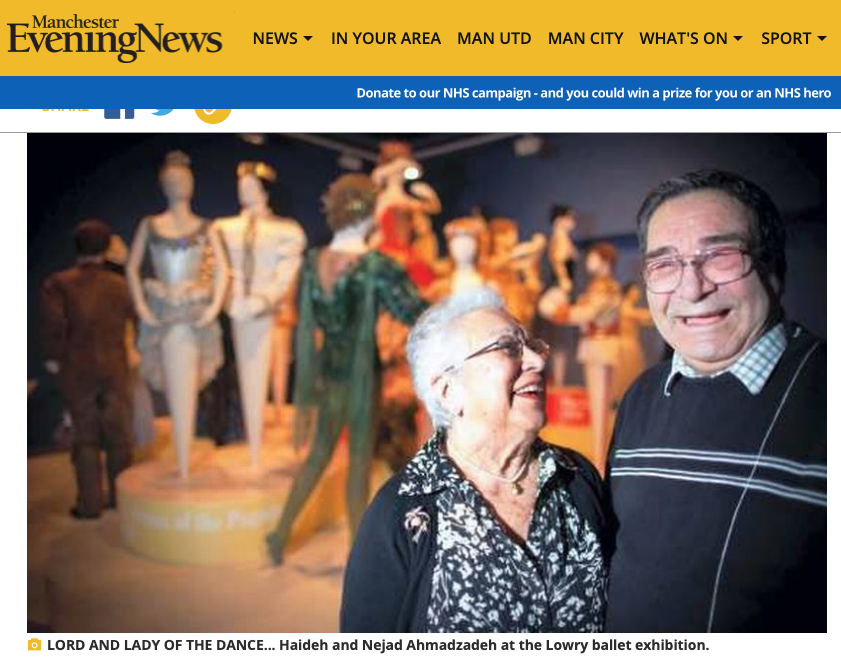
Despite having had to leave their exotic lifestyle behind, Haideh and Nejad continued to enjoy life, travelling extensively and enjoying their family. They returned to Iran on many occasions over the years where friends and family members remained. Having been out of the spotlight for a long time, the cultural significance of the couple has been revived, with acknowledgement from Who's Who, and a documentary about the Iranian National Ballet by acclaimed film maker Sarvnaz Alambeigi, featuring extensive interviews with Haideh and Nejad, is due out soon. The couple were also featured in local news headlines when, in 2011, The Lowry arts centre in Salford, England, presented an exhibition, 'Invitation to the Ballet: Ninette do Valois and the Story of the Royal Ballet' and invited Haideh and Nejad to be part of the celebrations. In December 2019, aged 93, and despite excellent health throughout his later life, Nejad died following a short illness. He was followed by Haideh in December 2020 who died peacefully following a stroke. |
|
Career Highlights
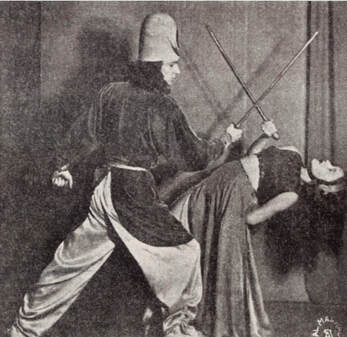
Above: Nejad and Haideh in 'The pilgrimage of King Anoushiravan': Beirut, 1948.
Below: Haideh, Tambourine Dance, Athens, 1958 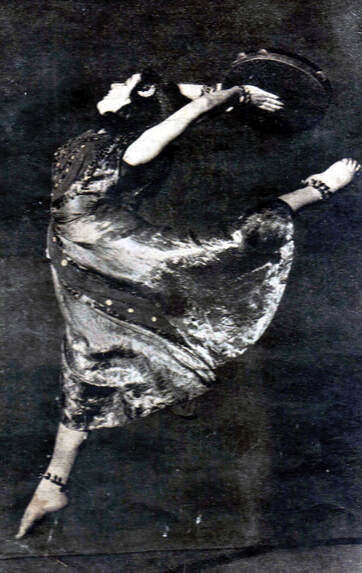
|
May 1955: Haideh and Nejad Ahmadzadeh appointed by the Fine Arts Department of Iran's Ministry of Arts and Culture to establish a professional dance and ballet company.
August 1958: The Iranian National Ballet is established with Nejad as the company's Founding Director and Haideh as a leading choreographer and principal dancer, becoming Iran's first Prima Ballerina. Shortly after, The Ministry of Culture and Arts is created, with Nejad appointed as director of the ballet academy, the ballet company and the newly formed National and Folk Music, Song and Dance Ensemble. Haideh also becomes a founder member of the National Folklore Organisation. Repertoire highlights include: 1958: The Caravan - choreography by Haideh Ahmadzadeh and Nilla Cram Cook. 1961: Don Quixote - principal dancer. 1963: The Nutcracker - principal dancer. 1964: La Peri - principal dancer. 1965: Love and the Clown - principal dancer. 1968: Phaedra - principal dancer. 1970-71: Giselle - principal dancer. 1972-73: La Bayadere - Haideh Ahmadzadeh, principal dancer. 1975-76: Bijan and Manijeh - choreography by Haideh Ahmdzadeh and Robert Urazgildiev. 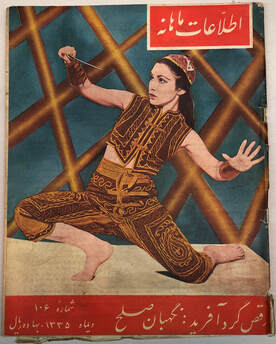
|
"In 'Love and the Clown', the leading roles were taken by extremely talented artists headed by Prima Ballerina Aida Ahmadzadeh (stage name) who has often been described as an outstandingly brilliant ballerina. In the part of the forlorn little clown it is hard to imagine that she could have been bettered."
Sylvia Matheson in The Times, London, 1968
"Watching 'The Prayer of Darius' when the curtain closed, amid the mighty applause, Aida Akhoundzadeh (maiden name), who danced the part of the daughter of Cyrus, truly emerged as the star."
Son Posta, Istanbul, 1947.
"I confess I was not expecting so much beauty, so much taste, so much charm and harmony... there are moments when the music stops... yet the dancers' steps go on evolving, those wonderful hands and arms of Aida and the other girls tell their story."
Vradini, Athens, 1948.
Sylvia Matheson in The Times, London, 1968
"Watching 'The Prayer of Darius' when the curtain closed, amid the mighty applause, Aida Akhoundzadeh (maiden name), who danced the part of the daughter of Cyrus, truly emerged as the star."
Son Posta, Istanbul, 1947.
"I confess I was not expecting so much beauty, so much taste, so much charm and harmony... there are moments when the music stops... yet the dancers' steps go on evolving, those wonderful hands and arms of Aida and the other girls tell their story."
Vradini, Athens, 1948.
